


Our purpose: Promoting peace through criminal justice – preventing crimes of aggression
Through the United Nations Charter, States have expressed their commitment “to save succeeding generations from the scourge of war”. They have agreed to renounce the illegal threat or use of force, and to settle their disputes “by peaceful means in such a manner that international peace and security, and justice, are not endangered”. States have the legal duty to abide by this commitment and the UN Security Council has the primary responsibility to enforce it.The Nuremberg Trials made it clear that criminal justice also has an important role to play for the promotion of peace and the deterrence of acts of aggression – though it remained limited and theoretical for many decades thereafter. With the 2010 Kampala amendments to the Rome Statute of the International Criminal Court, States Parties created a new mechanism to enforce the most important rule of international law: the prohibition of the illegal use of force under the United Nations Charter. This website is dedicated to making accountability a reality.
News
Report by the Standing Group on Atrocity Crimes: GIPA member Prof. Dr. Claus Kreß has served as an expert witness to the Standing Group on Atrocity Crimes’ which produced a landmark report, The Atrocity Crimes Review: A Comprehensive UK Strategy for Atrocity Prediction, Prevention and Response. The report was published following an 18-month inquiry and parliamentary hearings. The Review is a major independent assessment of the United Kingdom’s ability to identify, prevent and respond to genocide, war crimes, crimes against humanity and aggression. Its central finding is stark: the UK’s current approach remains fragmented and reactive, without a coherent framework for translating early warnings into timely action, a comprehensive national strategy, a dedicated ministerial lead or a clearly identified budget. Recommendation No 2 of Part 2 calls upon the British Government to abandon its opposition to the Harmonization Amendment and p. 32, paras. 44-45 provides the reasons.
2026 Nuremberg Forum: On 7-9 October 2026, GIPA Executive Council and Steering Committee Members contributed to the International Nuremberg Principles Academy annual forum 2026, which had a central focus on the Crime of Aggression. Entitled “A Critical Alliance: the UN Charter and the Nuremberg Principles – Peace and Security in a Fragmented World”, the forum took place in the historic Courtroom 600 where the trial of the Nazi leaders was concluded in October 1946. GIPA Advisory Council Prof. Claus Kreß delivered the key-note lecture 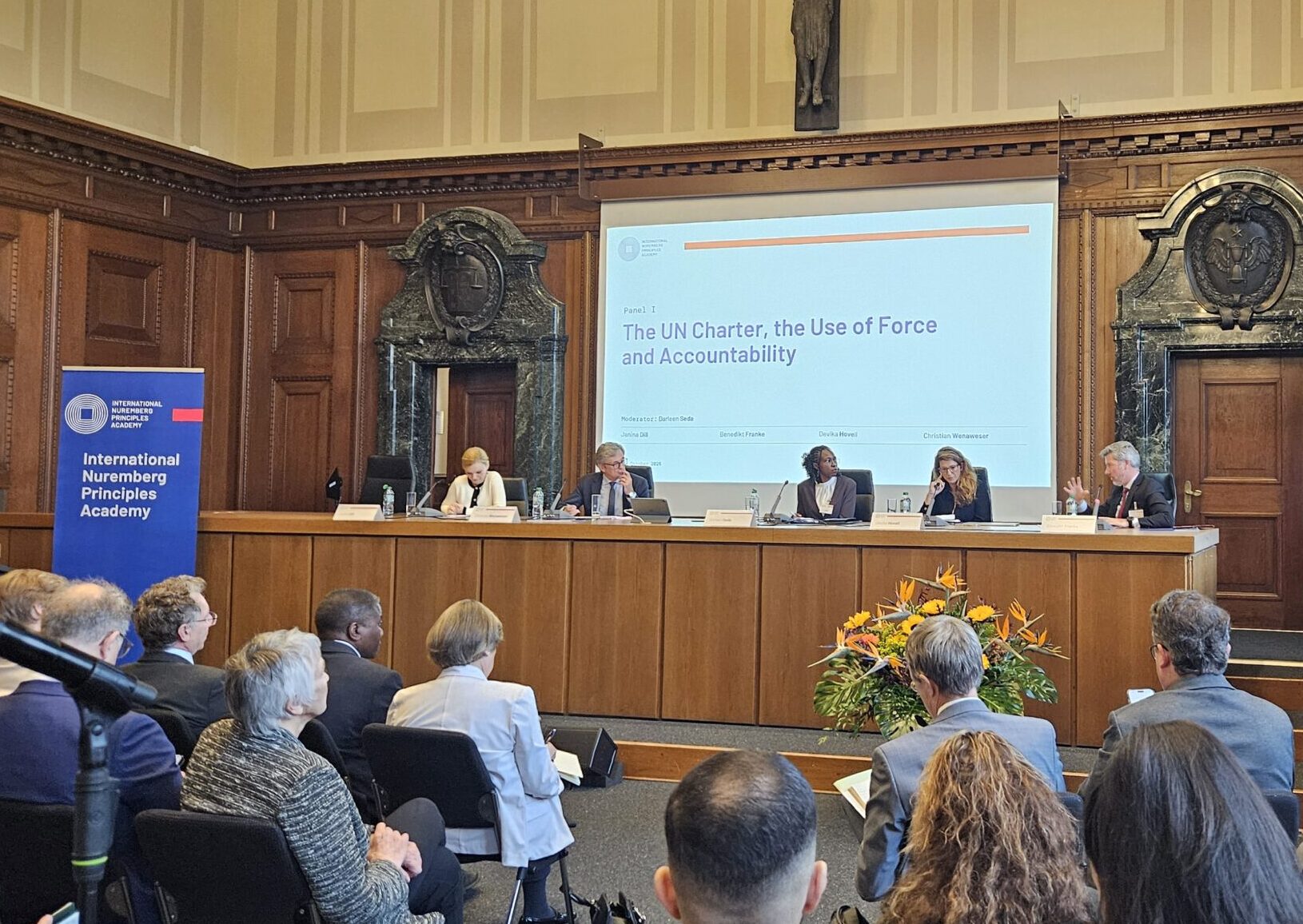 of the Forum. GIPA Executive Council members Amb. Christian Wenaweser and Judge Sylvia Fernandez de Gurmendi forcefully addressed the opening Panel together with Judge Navi Pillay, who was awarded the 2026 Nobel Peace Prize during the concluding day of the Forum. In a panel dedicated to the obstacles to be overcome towards operationalization of effective jurisdiction over the crime of aggression, GIPA Steering
 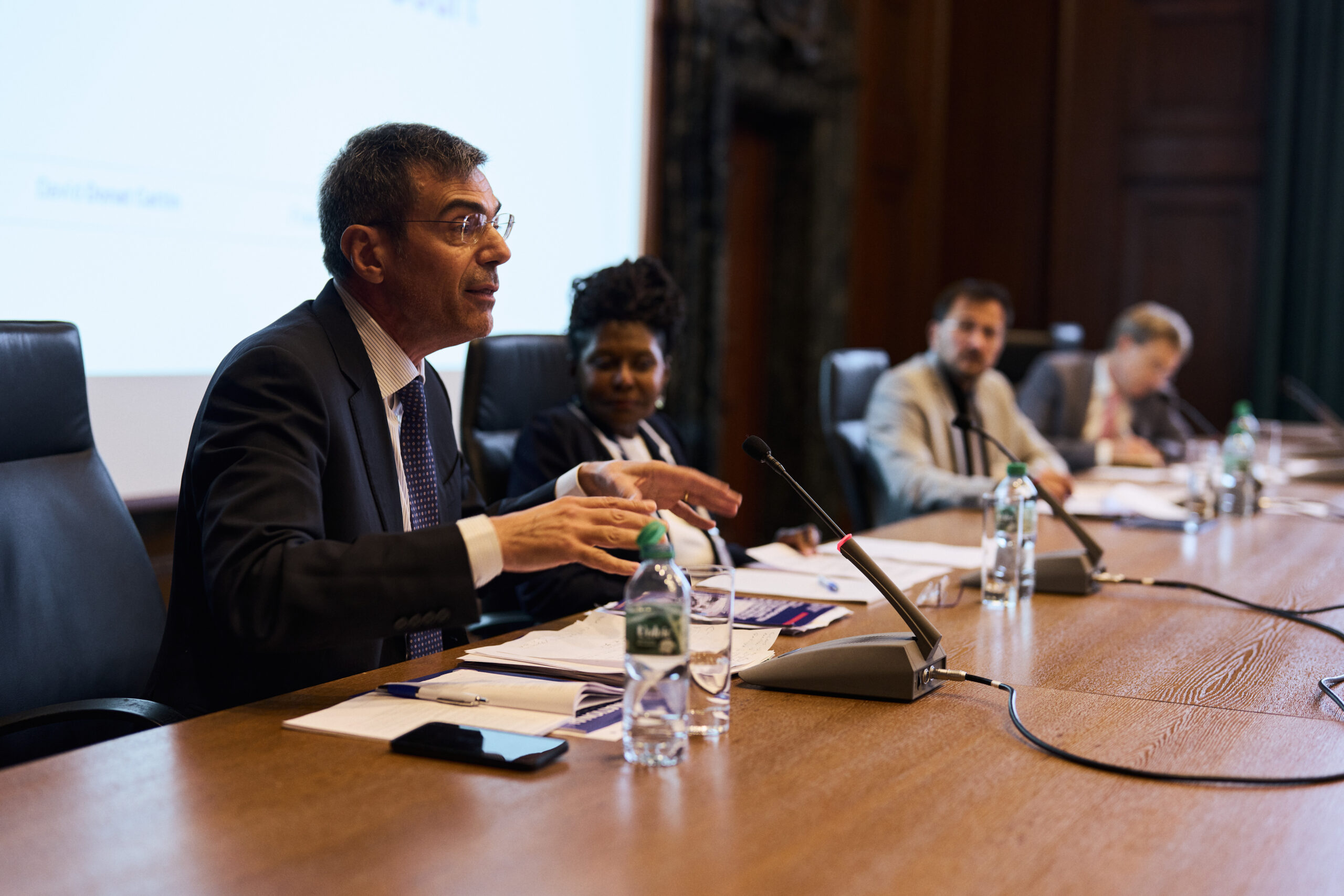 Committee member Dr. David Donat Cattin underscored why the current status quo is unsatisfactory in protecting victims from the scourge of aggressive wars.
Remarks of GIPA Convenor Professor Jennifer Trahan, Case Western Reserve University School of Law: On October 1, 2026 the Case Western Reserve University School of Law hosted a symposium on “The Legacy of Nuremberg: An International Conference Commemorating the 80th Anniversary of the Nuremberg Judgment”. GIPA Convenor Professor Jennifer Trahan’s remarks address whether the United States, in its policies and practices, has repudiated the lessons from the prosecutions before the International Military Tribunal (“IMT”) at Nuremberg. For her remarks, see here.
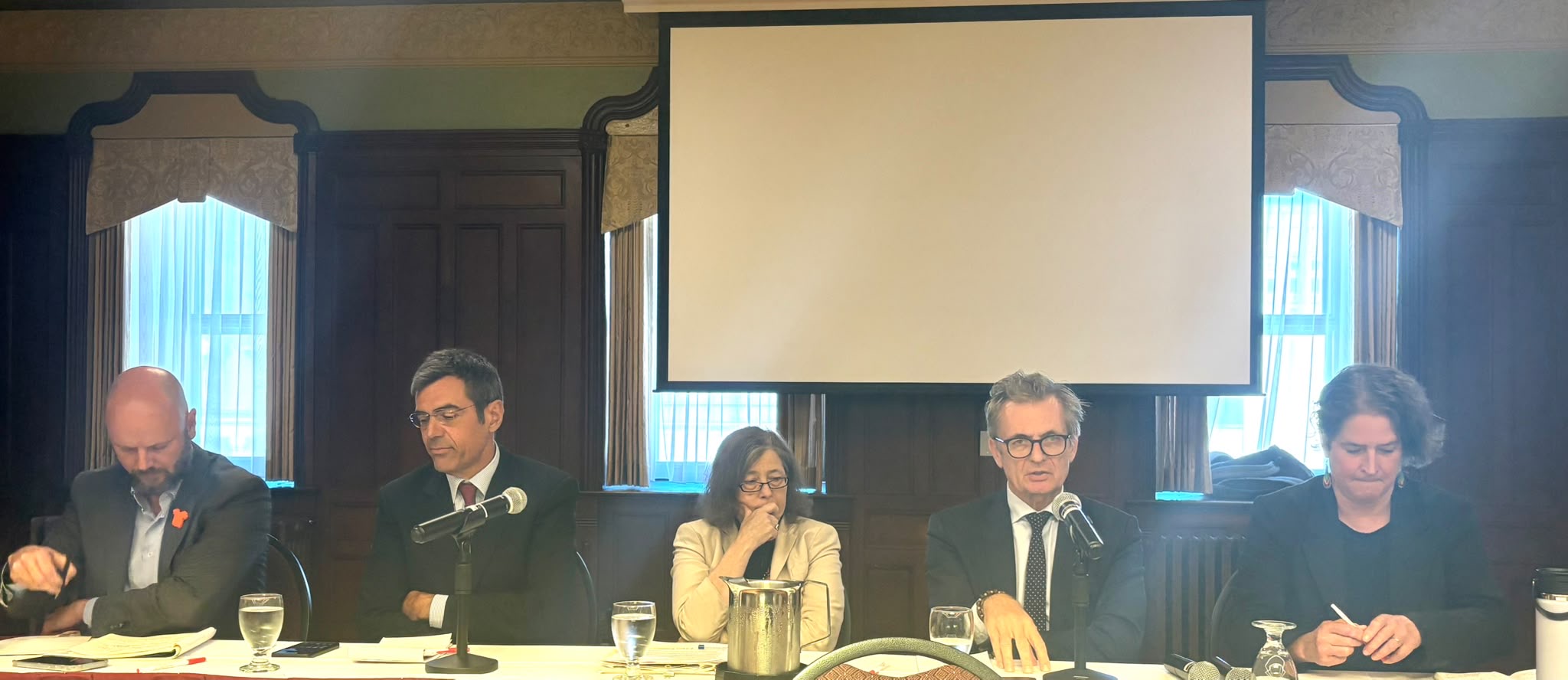
Conference in Montreal: Six members of the Global Institute for the Prevention of Aggression were in Montreal, speaking at the conference “Canada and the International Use of Force Regime: Preserving, Reforming, and Rebuilding the Rules-Based Order”. It was hosted at McGill University, Faculty of Law, on September 18, 2026.
Christian Wenaweser served as Keynote speaker. Noah Weisbord organized along with David Donat Cattin. Jennifer Trahan and Bill Schabas served as panelists, with Judge Daniel Nsereko joining. The event was at capacity, with some of the most prominent Canadian academics and NGOs contributing as panelists, and representatives of the Government of Canada and law students attending. The conference served to highlight the 2029 deadline for the harmonization amendment and urged Canada to change its position.
Updated Paper for States: On 5 August 2026, the Global Institute for the Prevention of Aggression published an updated policy paper that summarizes why states parties should ratify the Kampala crime of aggression amendments. For the paper, see here.